Your Underarms Are Basically a Tiny Nature Reserve (And You're the Ranger)
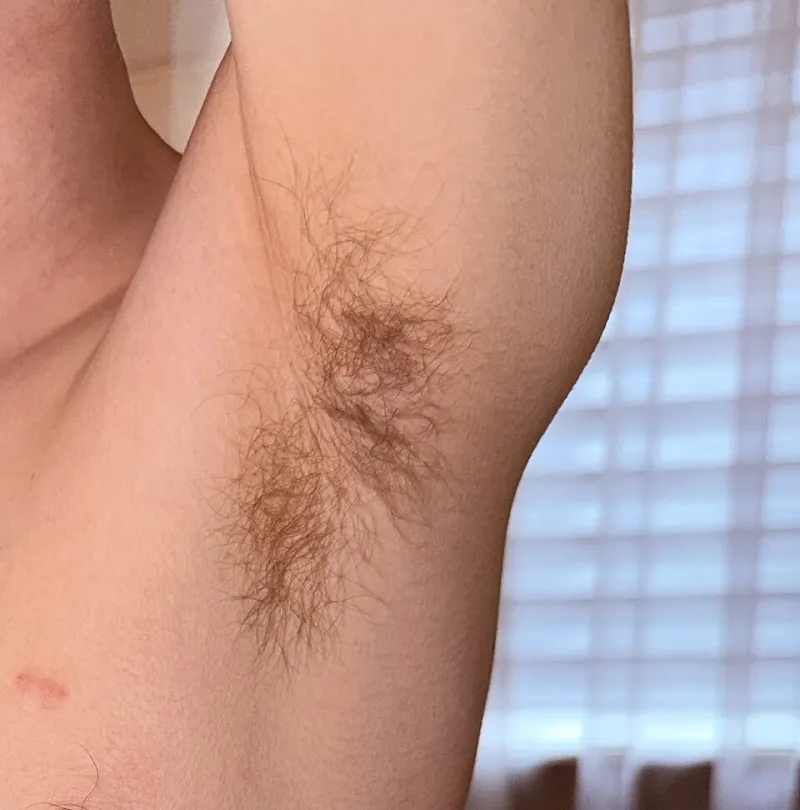
Photo: BenManketoo, CC0, via Wikimedia Commons
Picture a rainforest. Warm, humid, teeming with life, and slightly annoyed that someone has left the lid off the body spray. Now picture your armpit. It is not a warzone. It is not a biohazard. It is a small, sweaty, surprisingly sophisticated ecosystem — and you are its ranger.
That is the first useful shift: your underarms are not a problem to be eliminated. They are a habitat. And like any habitat, they work best when we stop declaring chemical warfare on everything that moves.
Meet the residents (they were here first)
Your underarm is a brilliant little landscape. It has folds, hair follicles, sebaceous glands and two main types of sweat gland. Eccrine glands produce the watery, salty sweat that helps cool you down. Apocrine glands, which wake up around puberty, produce a thicker secretion in areas like the armpits and groin. Add sebum, dead skin cells, hair and warmth, and you have a very desirable postcode for microbes.
The main tenants include species of Staphylococcus, Corynebacterium and Cutibacterium, plus assorted yeasts. They are not squatters. They are part of your skin's normal community. The classic underarm whiff is not fresh sweat itself — fresh sweat is mostly water and salt. Odour arrives when bacteria break down apocrine secretions into volatile compounds. In other words, the smell is a by-product of microbial dinner time, not a sign that you have failed at being a person.
Smelly does not mean filthy
Let us retire the idea that a strong underarm aroma is proof of poor hygiene. Sweat volume, hormone changes, diet, medication, stress, fabric choices and plain old genetics all influence how your pits smell. Some people are simply more fragrant than others. That is not a moral failing; it is biology with a sense of humour.
Washing helps reset the party, but scrubbing yourself raw is not the answer. Harsh soap, very hot water and aggressive exfoliation can strip the skin barrier, leaving you itchy, irritated and oddly more prone to trouble. A gentle wash in the shower, a thorough dry afterwards and clean clothes are usually the friendly approach. If you use a flannel, change it often. If you use a loofah, congratulations on your shower sponge aquarium — but maybe give it a hot wash or retire it before it starts charging rent.
Your bathroom cabinet is part of the ecosystem
Deodorant and antiperspirant do different jobs. Deodorants typically mask or neutralise odour, often with fragrance, antimicrobial ingredients or acids that make the underarm less appealing to odour-producing bacteria. Antiperspirants usually contain aluminium salts, which form temporary plugs in sweat ducts and reduce how much sweat reaches the surface. Aluminium salts are not the villain of the piece; NHS guidance supports their safe use for excessive sweating. Some people prefer aluminium-free products, and that is fine too — but natural does not automatically mean gentle.
Baking soda, lemon juice and neat tea tree oil are popular internet remedies and often a fast track to irritated skin. Wet wipes are not a substitute for washing. Toners and astringents can be drying. If you shave, a sharp razor and something slippy are kinder than a blunt blade and dry drag. Patch-test new products, especially fragranced ones, and remember that freshly shaved skin may sting when met with alcohol-heavy deodorant.
How to be a kinder ranger
Keep it simple. Wash gently, dry properly, choose products that suit your skin, and do not overdo the antiperspirant if your skin is complaining. Let your pits breathe in cotton or moisture-wicking fabrics when you can. Hair is not a flaw; it can reduce friction and help move moisture. If you remove it, look after the skin afterwards rather than treating it like a battlefield.
And if your pits are generally fine? Excellent. You do not need a ten-step routine. The underarm nature reserve does not require a management consultant.
When to ask a GP to take a look
Most underarm smells and quirks are ordinary. But a sudden, persistent change in odour that is not explained by diet, medication or a new product deserves a conversation. So does a painful lump, spreading redness, swelling, a rash that will not settle, peeling, discharge, a new or changing mole, or skin that feels hot and tender. If sweating is affecting your daily life, that is also worth mentioning — hyperhidrosis is a recognised condition and there is help. Night sweats and unexplained fever need medical attention too.
A GP is not there to shame you for having armpits. They are there to check what is going on. Your underarms are a tiny nature reserve, not a crime scene — and good rangers know when to ask for a second opinion.