The A–Z of Armpit Awareness: 26 Gentle Nudges, Zero Doom

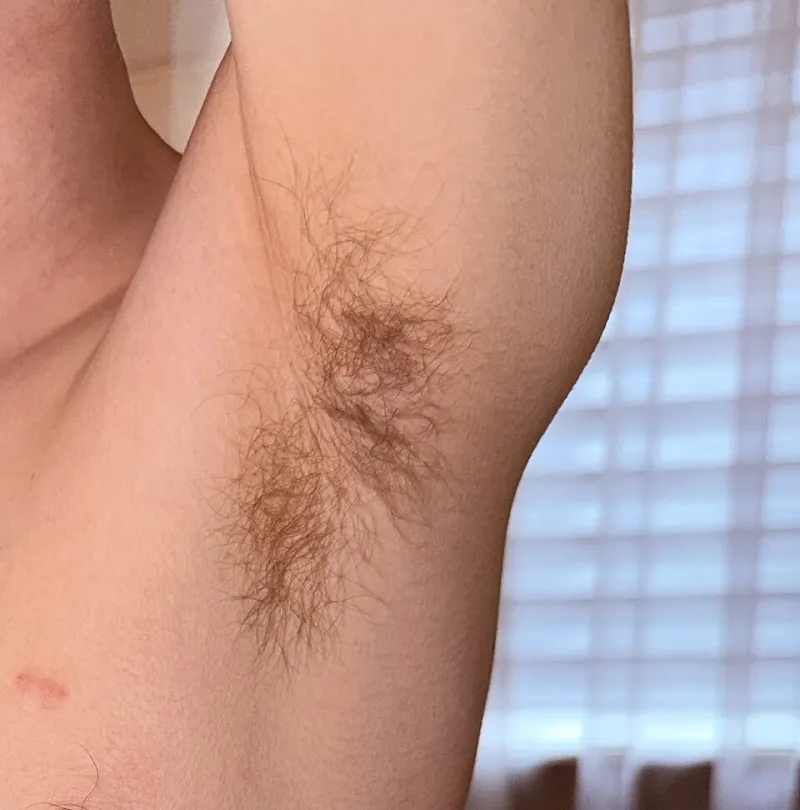
Photo: Moritz Unna, CC0, via Wikimedia Commons
Armpits are funny little neighbours. They live quietly under our arms, get blamed for odour, get shaved or not shaved, and then suddenly demand attention when something feels different. At Armpits4August, we’re not here to hand you a medical textbook and a side order of panic. We’re here to make checking your pits feel less like an exam and more like a quiet cuppa with your own body.
This A–Z is not a diagnostic checklist. It’s a noticing toolkit. Bodies vary wildly, and “normal” is a personal best, not a universal standard. If something is new, persistent, changing, painful or simply bothering you, that’s a perfectly good reason to speak to your GP. Calmly. Preferably without diagnosing yourself via a 3am internet spiral.
A–E: First Glance, First Facts
A is for asymmetry. Most pairs of armpits are not matching twins. One may have more creases, more hair, more sweat, or a slightly different shape. Noticeable change from your own baseline matters more than whether you look like a symmetrical diagram from a biology textbook.
B is for bumps. Little bumps can come from shaving, blocked follicles, ingrown hairs, sweat glands, or harmless skin quirks. A new lump that feels hard, fixed, growing, or comes with pain or fever deserves a GP chat rather than a guessing game.
C is for colour. A bit of shadow, freckles or variation is common. Look out for new dark patches, redness that lingers, or colour changes that don’t settle. Skin tone has range; sudden change is the bit worth flagging.
D is for deodorant. If a new deodorant leaves you itchy, dry, stinging or rashy, it may be irritation. Stop using it, keep the area gentle, and see your GP if it persists or spreads. Your pits are not a testing lab for every fragrance in the aisle.
E is for edges and creases. The underarm crease is a busy little spot. Friction, sweat and clothing seams can all create irritation. A persistent sore, crack or patch that won’t heal is worth showing to a professional.
F–J: Fur, Friction and Feeling
F is for follicles. Hair follicles can get inflamed, especially after shaving or waxing. Warm compresses and gentle care help some bumps; repeated painful boils or scarring need medical advice, not DIY heroics.
G is for glands. You have sweat glands and lymph nodes in the area. Lymph nodes can swell when you’re fighting off a bug. A lump that stays put, feels hard, or grows should be checked.
H is for hair. Underarm hair is not a hygiene crime. It’s hair. Whether you shave, trim, wax or wave it about freely is your business. What matters is noticing changes in the skin beneath it, not policing the fur.
I is for itch. Itchy pits are often down to dryness, irritation or a reaction. Persistent itch, especially with redness, scaling or a rash, is a good reason to get it looked at.
J is for jumper friction. Knitwear, seams and tight sleeves can rub your underarms raw. If your favourite winter jumper is leaving you sore, it’s not a personality flaw — it’s friction. A softer layer or a change in fit can help.
K–P: Keep Noticing, Not Catastrophising
K is for knobbly bits. Small lumps and bumps are common, but “common” does not mean “ignore everything forever”. Get to know what’s usual for you, and flag anything new or changing.
L is for lumps. Most underarm lumps are not scary, but you can’t tell by vibes alone. Book a GP appointment if a lump is new, painless and persistent, or if it’s growing, hard, fixed or accompanied by other symptoms.
M is for mirror. A mirror, good light and a minute once a month are plenty. Look at the skin, feel gently, and compare with what you remember. No need to conduct a full forensic investigation every morning.
N is for nodes. Lymph nodes sit around the armpit. They can swell with infections or irritation. If swelling doesn’t settle, or you’re worried, ask your GP. That’s what they’re there for.
O is for odour. Sweat itself is mostly odourless; bacteria get involved and create the scent. A sudden change in odour, especially with pain or a rash, is worth mentioning. Otherwise, wash, deodorise as you like, and carry on.
P is for pain. Underarm pain can come from shaving, infection, a cyst, a strained muscle, or something else. Severe, persistent or one-sided pain deserves a proper look.
Q–U: Quick Checks and Quiet Reassurance
Q is for quick check. You don’t need a full spa ritual. A quick glance and gentle feel in the mirror is enough to notice changes. Think “check pits, love pits”, not “interrogate pits until they confess”.
R is for rash. Rashes can be caused by sweat, friction, deodorant, fungal issues or skin conditions. If a rash is spreading, painful, blistering or not settling, get it checked.
S is for sweat and shaving. Sweat is normal. Shaving is optional. Both can irritate skin. Use a clean razor, don’t shave over sore skin, and let your pits breathe when they’ve had enough.
T is for tenderness. A tender spot after shaving or waxing may settle. Tenderness that worsens, comes with swelling, or keeps you awake is worth a GP chat.
U is for underarm routine. Keep it simple: wash gently, dry properly, avoid products that sting, and check regularly. Your pits don’t need a ten-step programme; they need a bit of attention.
V–Z: Very Normal, Very Worth Watching
V is for visible veins. Some people can see veins under the skin. Usually that’s just anatomy. New prominent veins, pain or swelling should be checked.
W is for warmth. Armpits are warm because bodies are warm. Persistent unusual warmth, redness or swelling can signal inflammation or infection — show your GP if you’re concerned.
X marks the spot. If you find something, note where it is and how long it’s been there. A photo can help you track change, but don’t spend your life photographing your armpit in dramatic lighting.
Y is for yeast. Yeast and fungal irritation can love warm, moist creases. Itchy, scaly or red patches may need treatment. A GP or pharmacist can advise.
Z is for zinc. Zinc-based deodorants can be gentle options for some people, but no product suits everyone. Patch-test new things, and don’t let the label do the medical decision-making.
The Bottom Line
Your armpits are not a problem to be solved; they’re part of you. Get familiar with your normal, check in once in a while, and take changes seriously without turning them into a disaster movie. Talk pits. Check pits. Love pits. And if your gut says something needs a professional eye, trust that — your GP would rather see you than have you quietly worry in the queue for the kettle.