The Furnace and the Faff: Perimenopause, Your Pits and the Art of Keeping Cool
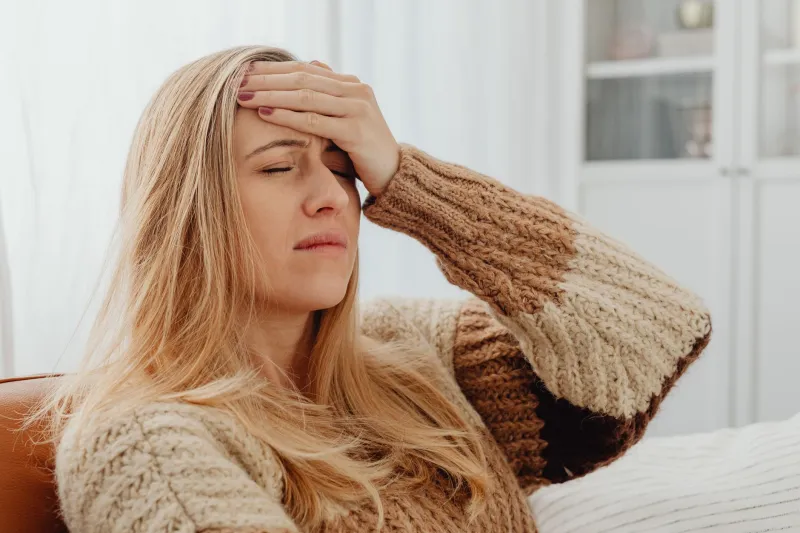
There is a particular kind of betrayal that happens in perimenopause. You are sitting on the 73 bus, calmly minding your own business, when your armpits decide to stage a surprise sauna. Or you wake at 3am having apparently been basted like a Sunday roast. Or your usual deodorant, loyal companion since 2004, suddenly stings like a tiny wasp with a grudge.
Welcome to the perimenopausal pit plot twist. It is common, it is annoying, and it is absolutely not a reason to feel ashamed. Your underarms are not malfunctioning. They are responding to a shifting hormonal landscape — and they deserve notice, patience and a decent fan.
First, the plot twist: your pits are not betraying you
Perimenopause is the run-up to menopause, when periods become unpredictable and hormone levels do the hokey-cokey. Oestrogen and progesterone are not just about reproduction; they influence sweat, skin, hair and body temperature. So when they wobble, your pits can wobble too.
This can start in your late 30s or 40s, and for some people earlier. It is not a tidy countdown with a finish line and a medal. It is more like a British rail replacement bus: confusing, badly signposted, and occasionally boiling hot.
The four horsemen of the perimenopausal armpit
1. Sweat with a side of drama. Hot flushes and night sweats are classic perimenopause guests. You may sweat more overall, or in sudden bursts. Some people notice sweat in places that previously stayed politely dry. Your armpits may become the first line of defence — or the first casualty.
2. A new smell. Hormonal changes can alter body odour. This does not mean you are unhygienic. It means the bacteria on your skin are having a different party with a different playlist. Odour is information, not a moral failing.
3. Skin that has become high-maintenance. Underarm skin is thin and sensitive. Falling oestrogen can make it drier, itchier or more reactive. That long-loved antiperspirant may suddenly feel like sandpaper. Razors may become less forgiving. Fragrance may become a full-on drama.
4. Hair with a mind of its own. Some people find underarm hair thins. Others find it grows more coarse or appears in new patterns. Both are common. Neither is a crisis. Your pits are allowed to change shape, texture and landscaping preferences.
What’s common — and deeply annoying
It is common to experience flushes, sweats, disturbed sleep, mood changes, brain fog, palpitations, headaches, vaginal dryness and changes to skin and hair. In the armpit department, common does not mean comfortable.
You may find that deodorant stops working. You may need to change your shirt at lunchtime. You may develop a new appreciation for linen, fans and the strategic open window. You may also feel self-conscious, which is understandable but unnecessary. Nobody is keeping a spreadsheet of your sweat levels. And if they are, they need a hobby.
What deserves a GP conversation
Most perimenopausal changes are not dangerous. But some pit-related symptoms deserve a proper look, especially if they are new, persistent or affecting your daily life.
Book a GP appointment if you notice:
- a new lump in your armpit or breast area
- persistent underarm pain or swelling
- skin changes that do not settle, such as a rash, thickening, dimpling or a sore that will not heal
- unusual bleeding, discharge or nipple changes
- excessive sweating that is sudden, severe or mainly at night
- hair loss that is sudden or patchy
- symptoms that are seriously affecting your sleep, work or mental health
You can also talk to your GP about perimenopause more broadly, including whether HRT or other treatments might be suitable. You do not need to arrive with a perfect script. ‘My pits have gone rogue and I feel rubbish’ is a valid opening line. A good GP will help you make sense of it.
The no-nonsense pit routine adjustment
You do not need a 12-step underarm regime. You need a few sensible swaps and a bit of self-kindness.
Wash gently. Lukewarm water and a mild, fragrance-free wash are usually plenty. Scrub less. Pat dry. Your pits are not a dirty oven.
Choose products for the job. Deodorant tackles smell; antiperspirant tackles sweat. If odour is the issue, a fragrance-free deodorant may help. If sweat is the issue, an antiperspirant containing aluminium may be useful — unless your skin reacts. Patch-test new products on a small area first.
Layer like a sensible onion. Breathable fabrics, loose layers, a spare top in your bag and a handheld fan are not glamorous, but they are effective. Cotton, linen and moisture-wicking fabrics can be kinder than clingy synthetics.
Give your skin a break. If shaving irritates you, try trimming, waxing, hair removal cream or simply leaving the hair alone. Hair is not a hygiene crime. It is hair.
Rethink the ‘detox’ aisle. Your armpits do not need detoxing. They need washing, comfortable products and maybe a fan. Anything promising to ‘purge’ your pits is selling you a story, not a solution.
Miracle fixes: please leave them on the shelf
Perimenopause is a prime target for miracle marketing. Underarm detox patches, ‘hormone-balancing’ deodorants, charcoal everything, £40 creams that claim to ‘reset’ your pits — the wellness industry would love you to believe your body is a problem to be fixed with a subscription.
Be sceptical. No underarm product can balance your hormones. No patch can replace a GP conversation. And no amount of activated charcoal can make perimenopause less of a faff. Save your money for a decent fan and a nice linen shirt.
A tiny self-check ritual
Once a month, in the shower or in front of a mirror, have a gentle feel and look at your pits and surrounding breast area. Check for new lumps, skin changes, pain or anything that feels different for you. You are not looking for perfection. You are getting to know your normal.
If something changes, do not doom-scroll. Book an appointment. Most changes are harmless, but checking means you can act early if needed. That is the whole point: not fear, just familiarity.
The last word: talk pits, check pits, love pits
Perimenopause can make your underarms feel like a stranger. But they are still yours. They are doing their best with shifting instructions. Talk about the sweats, the smells, the sensitivity and the strange new hair patterns. Shame thrives in silence; practical help thrives in conversation.
So keep a fan in your bag. Keep a spare top at work. Keep an eye on changes. And remember: your pits are not a problem to be solved. They are part of you — and they deserve care, not criticism.
Talk pits. Check pits. Love pits.