The Two-Minute Pit Prowl: Getting Acquainted With Your Underarm Freckles
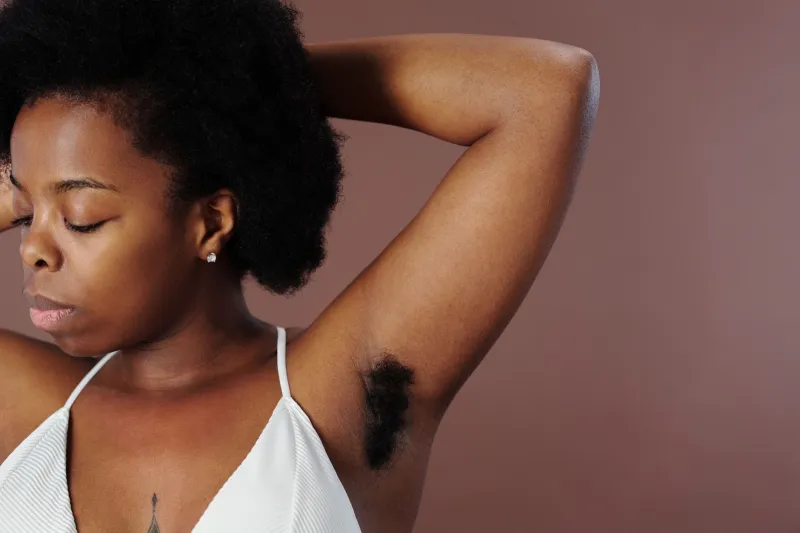
Your armpits are not usually top of the agenda. They get a swish of deodorant, a bit of razor-based negotiation, and then they are expected to behave quietly until the next hot flush or gym class. But underarms are skin like anywhere else, which means they can host freckles, moles, skin tags, shaving bumps, heat rash, and the occasional mysterious speck that turns out to be a bit of fluff. The underarm spot check is not about turning your pits into a medical research project. It is about knowing your normal, noticing changes, and getting on with your day.
Why your pits deserve a glance, not a glare
Underarm skin lives a busy life. It folds, stretches, rubs, sweats, gets shaved or waxed, and is regularly introduced to deodorant, antiperspirant, and the occasional overenthusiastic dance move. So it is no surprise that marks and spots appear. Most are utterly unremarkable: a freckle that has always been there, a shaving bump having a strop, or a little skin tag that arrived uninvited and decided to stay.
The goal is not to become a kitchen-table dermatologist. The goal is to recognise what is usual for you, so that if something new or changing appears, you are not starting from scratch. Think of it as a two-minute pit prowl: calm, quick, and considerably less dramatic than a Sunday-night detective series.
The two-minute setup: mirror, phone, zero melodrama
You do not need a laboratory. A bathroom mirror, decent light, and a handheld mirror or phone camera will do nicely. Stand in front of the mirror, raise one arm above your head, and bend the elbow slightly so you can see the hollow of the armpit and the skin around it. Look at the crease, the upper arm, and the bit towards the chest wall. Then swap sides.
If the angle is awkward, use your phone camera. Take a photo in good light, look at it, and then delete it unless you want a baseline record. You are not making a mood board. You are simply getting a clear view of a body part that is usually hidden from you. A partner or housemate can help if you are comfortable with that. A magnifying glass is optional; a sense of humour is more useful.
What you are actually looking for
You are looking for your normal. That might include symmetrical freckles, a mole you have had since school, little skin tags, shaving rash, ingrown hairs, or a patch of friction-related redness. Most underarm spots are boring, and boring is brilliant.
What is worth noticing is anything new or changing. A simple way to remember what to mention to a GP is the ABCDE rough guide: asymmetry, border, colour, diameter, and evolving. A mole that is lopsided, has a ragged edge, mixes several colours, is larger than about 6mm, or is changing over time is worth a conversation. So is a spot that itches, bleeds, crusts, hurts, or simply will not settle down.
This is not a diagnosis kit. It is a prompt. If something is new or different for you, that is enough reason to ask a professional.
The probably-nothing list
A new freckle after a sunny spell? Probably nothing. A red bump after shaving? Probably irritation. A spot under the arm where your bra strap has been making its feelings known? Probably friction. A little tag that appeared during your thirties? Very common.
The catch is that 'probably nothing' is not the same as 'definitely nothing'. If a mark lingers for a few weeks, grows, changes, or bothers you, book a GP appointment. You will not be wasting anyone's time. GPs are there for exactly this sort of sensible, early, non-emergency question.
When to book the GP without turning it into a saga
Have a chat with your GP surgery if you notice a new mole or a changing one, especially if it is dark, irregular, itchy, bleeding, crusty, or sore. Also get checked if you have a spot or patch that is not healing, or a lump in the underarm area that feels new or unusual. If something is changing quickly or bleeding for no clear reason, do not sit on it.
Try not to disappear into an internet image-search spiral. Dr Google has a flair for drama and very little nuance. Your GP can look, ask questions, and decide whether anything needs a closer look. That is a far better use of your time than diagnosing yourself via a blurry photo and a forum thread from 2009.
Body-positive vigilance is a thing
Checking your pits is not vanity and it is not paranoia. It is care. Your underarms have carried you through hot commutes, questionable dance floors, stressful weeks, and every jumper you have ever dramatically removed. They deserve a quick look now and then, without shame about hair, sweat, marks, or the fact that one armpit has a freckle and the other has clearly not been keeping up.
If you have lots of moles, a photo on your phone can help you keep track of your normal. If you are prone to health anxiety, keep the check brief and kind. Two minutes once a month is plenty for most people. Set a phone reminder if that helps, then forget about it until next time.
The bottom line: know your normal, then get on with it
Most underarm spots are boring. Most changes are not cancer. But knowing what is normal for you makes it easier to spot the thing that is not. So have a quick pit prowl in good light, notice what is there, and carry on with your day. Check pits, know your normal, love pits. And if something niggles, let a GP have a look. That is not drama. That is just good armpit admin.