The Consent-To-Check Pact: Being Someone's Underarm Backup Without the Cringe

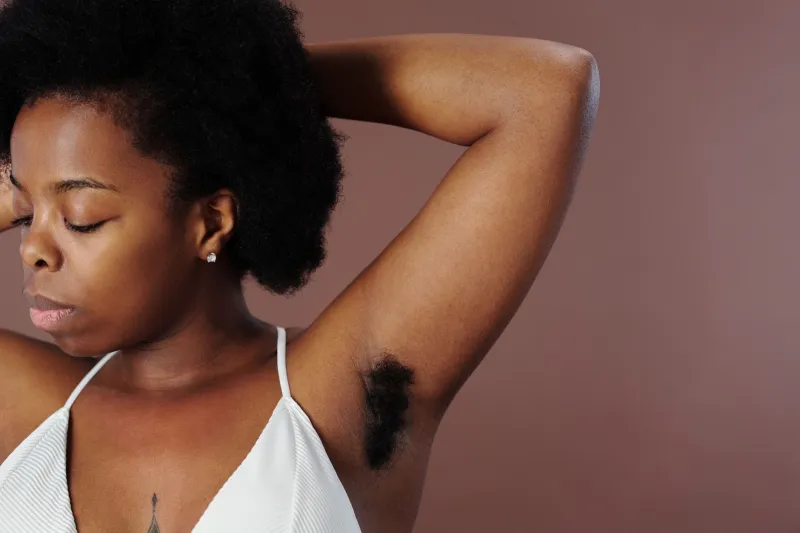
Photo: Пресс-служба губернатора Тульской области., CC BY 4.0, via Wikimedia Commons
There's a particular British noise that happens when someone suggests looking at another person's armpits. It's halfway between a nervous laugh and a kettle clicking off. Understandable. But if you're a carer, a friend, a partner or a relative, you may find yourself in the position of being someone's underarm backup. Not an inspector. Not a GP. Just a calm, consenting pair of eyes.
Let's make that less cringe and more care.
First, bin the clipboard fantasy
Helping someone check their pits is not a medical exam, a hygiene audit or an excuse to channel your inner school nurse. It's a favour. A small, practical look at a body part that quietly gets on with things until it doesn't. The tone we're aiming for is 'cup of tea and good light', not 'crime documentary interview'.
And yes, it can be awkward. Bodies are awkward. Armpits are especially awkward because they're ticklish, personal and usually hidden under a sleeve. But awkward is not a reason to avoid something that can genuinely help someone notice changes early.
Consent is a rolling contract, not a one-off form
This is the big one. Consent isn't a box you tick in 2026 and then never revisit. It's a live conversation. Someone can say yes to a check on Tuesday and no on Friday. They can say yes to you looking and no to you touching. They can say yes and then change their mind halfway through, and that is completely allowed.
Before you start, ask clearly. Not 'fancy a pit check?' delivered while they're trapped in a bathroom. Something like:
'Would you like me to take a quick look at your underarms today? Same as last time: good light, two minutes, and you say stop whenever.'
If they say no, that's the end of it. No sighing. No 'I'm only trying to help' face. Just: 'No problem. I'll leave the mirror here and you can shout if you change your mind.'
If they say yes, keep checking in. 'I'm going to ask you to lift your arm now. Is that okay?' 'I'm just looking, not pressing hard. Tell me if it's sore.' 'Do you want to hold the mirror yourself?'
This isn't over-polite. It's basic dignity. And it makes the whole thing less weird for both of you.
Scripts that don't sound like a crime documentary
Some people freeze when asked to explain what they need. Having a few plain phrases ready helps.
- 'I'm not diagnosing anything. I'm just helping you keep an eye on your normal.'
- 'I'll show you what I'm seeing in the mirror so we're looking at the same thing.'
- 'I'm going to write down what's new and when it started, so you don't have to remember it all at the GP.'
- 'You're in charge here. If you want to stop, we stop.'
Avoid 'let me just have a root around' unless you want the atmosphere to leave the building. Avoid 'that looks awful' even if you're startled. Neutral words are your friends: 'new', 'different', 'persistent', 'worth asking about'.
Adapting the check for real bodies and real lives
Not everyone can easily lift an arm, remember a previous check or tolerate being touched. The check should fit the person, not the other way round.
Mobility issues: Work seated if that's easier. Pop a pillow under the arm for support. Use a handheld mirror or a well-positioned bathroom mirror. Ask before moving anyone's arm for them, and never yank. If reaching is painful, look at what you can see comfortably and suggest the GP for anything you can't.
Memory issues or dementia: Keep it short, familiar and routine. Same time, same room, same few words. Offer a visual cue, like a mirror already on the table. Re-explain simply each time, even if you've done it a hundred times. If they become distressed, stop. A pit check is not worth a meltdown.
Sensory needs: Ask about temperature, texture and noise. A warm room, a soft towel, no strong perfume and no surprise cold hands go a long way. Some people prefer to do the looking themselves while you hold the mirror and narrate. That still counts.
Hair: Underarm hair is not a hygiene problem and it is not the point of the check. If someone shaves and gets repeated irritation, that's worth mentioning, but don't turn a health check into a grooming critique. We are pro-pit, not anti-fur.
What to actually flag
You're not diagnosing. You're gathering a small, factual note. Look for anything new or changing:
- a new lump or thickening in the armpit
- skin dimpling, puckering or a change in how the skin moves
- a persistent rash, itch, redness or scaliness
- swelling, pain or a feeling of fullness that doesn't settle
- discharge, bleeding or a sore that won't heal
- a mole or freckle that changes shape, colour or size
- changes in the breast or chest area, including nipple changes
Write down what, where, since when and whether it's changing. Take a photo only with clear consent, and never share it without permission. If something is new and persistent, the sensible next step is a GP appointment. Not Dr Google. Not a forum. Not a supplement from a man called Keith on the internet.
When to help book the GP
If something has been there for a couple of weeks or is clearly changing, offer to help make the appointment. Some people find the phone call itself exhausting. You can sit with them, help write a short list of symptoms, and ask about reasonable adjustments: a longer appointment, a carer present, an interpreter, or a quiet waiting area.
If symptoms are severe or getting worse quickly, use NHS 111 or urgent care as appropriate. If there's a new lump, persistent skin change or anything that feels off, don't wait for it to become a personality trait. Book the GP.
Look after the helper too
Being someone's underarm backup can be a small act of love, but it can also be tiring. You're allowed to say, 'I can help with the check, but I'm not the right person to make the medical decision.' You're allowed to ask for a second pair of eyes. You're allowed to debrief over a biscuit.
The goal isn't to turn you into a pit professional. It's to make underarm health a normal, consented, low-stakes thing that people can ask for help with. Talk pits. Check pits. Love pits. And let everyone keep their dignity while you do it.